
 Open | Tu-Fr 9-5pm, Sat 12-5pm
  1400 S Grand St, Monroe, LA 71202
  318-329-2237
Events
-
Grounds for Departure: A Historic House, An Art Museum X
Grounds for Departure: A Historic House, An Art Museum
August 20th, 2026 — October 31st, 2026
Masur Museum Main House
August 20th, 2026 – October 31st, 2026Public Reception: August 20th, 2026, 5:30 — 7:00pm
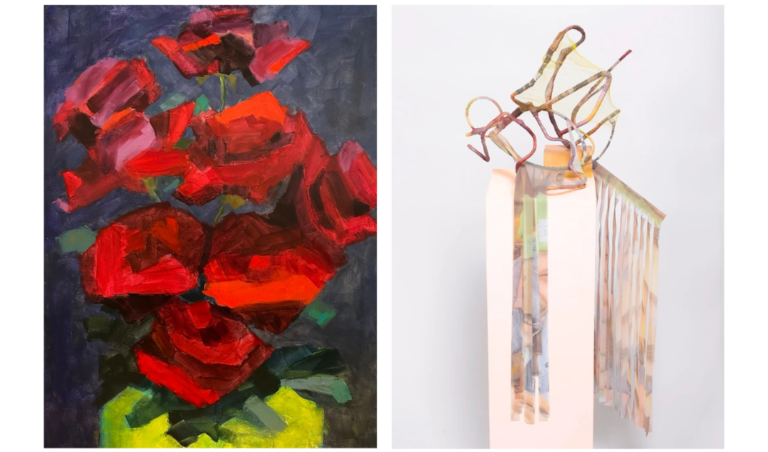
Grounds for Departure will feature abstract painting and sculpture that engages directly with the architecture of the museum’s structure, mapping its domestic history within the walls of the current-day art museum.
-
It’s Time to Grow Up (No Thanks!) X
It’s Time to Grow Up (No Thanks!)
August 20th, 2026 — October 31st, 2026
Masur Museum River Galleries
August 20 – October 31, 2026Public Reception: October 1, 2026, 5:00pm – 9:00pm (Monroe Art Crawl)
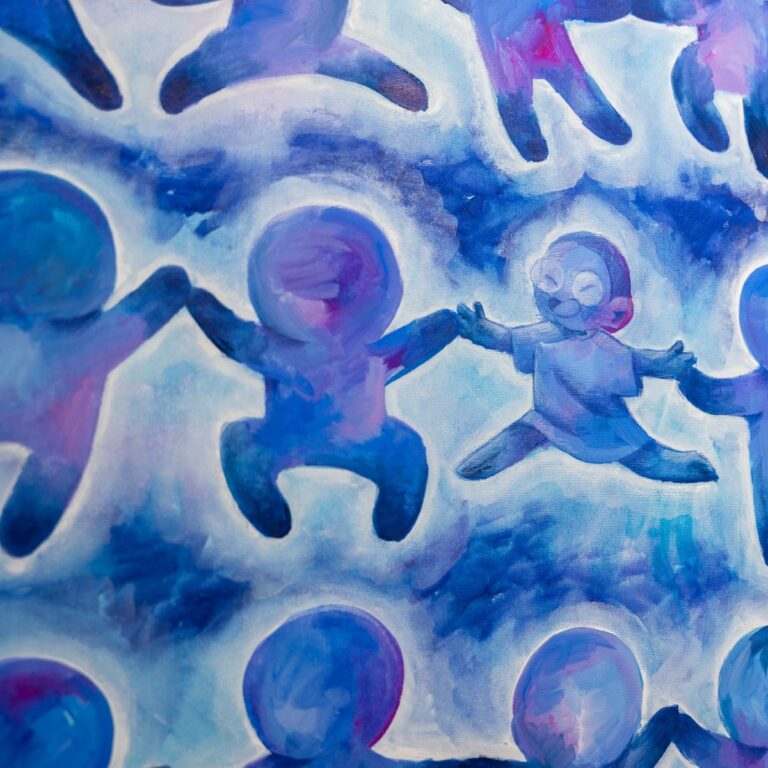
Inique Harris is a Monroe-based artist, illustrator, and art educator. Her visual art explores themes of femininity and girlhood, paired with a whimsical focus on the pure essence of creativity and love.
Upcoming Exhibitions

Bernard Mattox: Retrospective
November 19th, 2026 — February 7th, 2027
Masur Museum Main House
December 3, 2026 – February 20, 2027
Public Reception: December 3rd, 2026 from 5:30 – 7:30 PM
Bernard Mattox is a New Orleans-based artist who specializes in multi-media and ceramics. His work blends the vibrant imagery reminiscent of New Orleans street-life with totem-like figures that call to mind tribal imagery.

64th Annual Juried Competition
March 11, 2027 — May 15, 2027
Sponsored by The Northeast Louisiana Arts Council 

Masur Museum Main House
March 11 – May 15, 2027
Public Reception: March 11th, 2027 from 5:30 – 7:30 PM
This year’s juror: TBA
About the Exhibition
The Masur Museum of Art’s Annual Juried Competition showcases contemporary artists throughout the United States of America working in any medium. First started in 1963, the Annual Juried Competition is the Masur Museum’s longest-running tradition and one of its best-reviewed exhibitions each year.
Past Exhibitions

Permanent Collection
May 21st, 2026 — July 18, 2026
On view in the Masur Museum Upstairs River Gallery
About the Exhibition
Explore a rotating selection of works from our permanent collection, featuring drawings, etchings, and paintings by Salvador Dalí, Marc Chagall, and Pablo Picasso.
History of the Permanent Collection

Trismegistus: In the Garden
May 21st, 2026 — August 8th, 2026
On view in the Masur Museum Main House
Public Reception: May 21st, 2026, 5:30pm — 7:00pm
Masur Museum of Art presents a solo exhibition by Monroe-based artist Rodrecas Davis, Trismegistus: In the Garden.
About the Exhibition:
This exhibition has several points of origin. There is the myth of Hermes Trismegistus (The Thrice Great), a Jazz song by the same name (Zane Rodulfo), and a meditation on how existence is the process of transmutation. We grow by transforming life’s lessons into something substantive.

5000 More Years
May 7th - July 18th, 2026
On view in the Masur Museum Downstairs River Gallery
Public Reception: June 4th, 2026, 5:00pm – 9:00pm (Monroe Art Crawl)
About the Exhibition
Summer Emerald, better known as Salesforce Child, is an interdisciplinary artist based in remote northwestern Canada, where her practice is shaped by the tension between immersion in digital culture and the immediate disconnection that comes when she leaves her cabin, with cell service over an hour’s drive away.
Across painting, video, performance, writing, drawing, and social media, Emerald’s work speaks in an idiosyncratic yet immediately recognizable blend of corporate and devotional language. The work reflects the semiotic chaos of contemporary systems, imbued with the sense that what we have built is leaving us behind.
Discover more as a member
As a member you will enjoy many benefits while supporting one of Monroe’s important cultural landmarks.
Join Today