
 Open | Tu-Fr 9-5pm, Sat 12-5pm
  1400 S Grand St, Monroe, LA 71202
  318-329-2237
Events
-
Grounds for Departure: A Historic House, An Art Museum X
Grounds for Departure: A Historic House, An Art Museum
August 20th, 2026 — October 31st, 2026
Masur Museum Main House
August 20th, 2026 – October 31st, 2026Public Reception: August 20th, 2026, 5:30 — 7:00pm
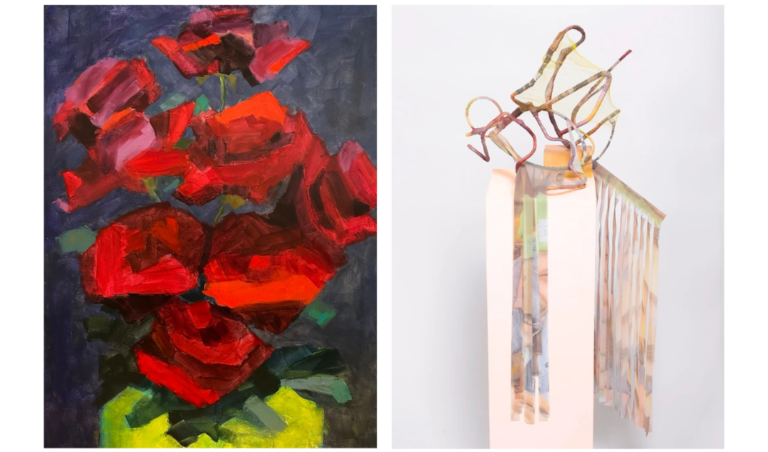
Grounds for Departure will feature abstract painting and sculpture that engages directly with the architecture of the museum’s structure, mapping its domestic history within the walls of the current-day art museum.
-
It’s Time to Grow Up (No Thanks!) X
It’s Time to Grow Up (No Thanks!)
August 20th, 2026 — October 31st, 2026
Masur Museum River Galleries
August 20 – October 31, 2026Public Reception: October 1, 2026, 5:00pm – 9:00pm (Monroe Art Crawl)
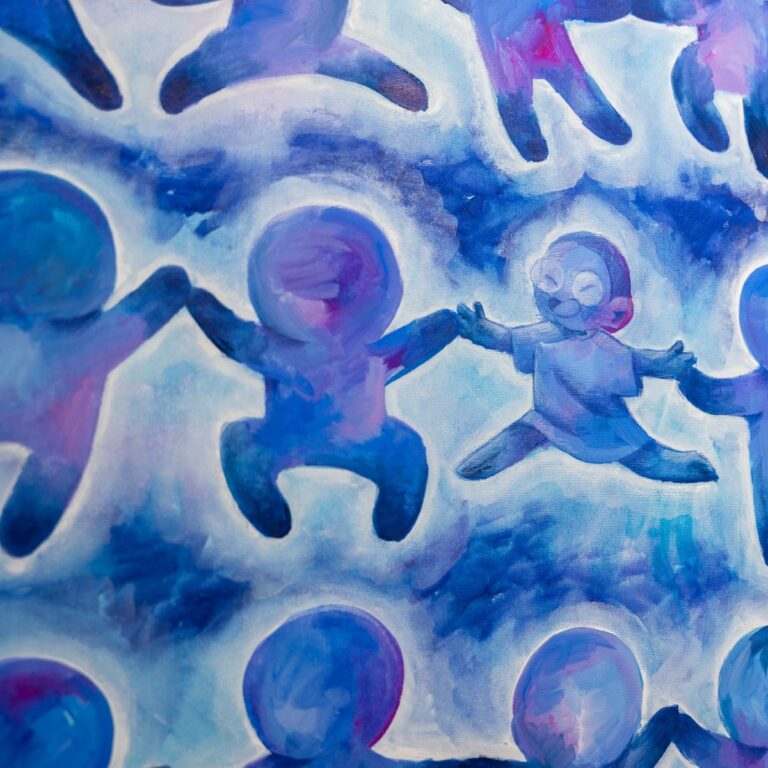
Inique Harris is a Monroe-based artist, illustrator, and art educator. Her visual art explores themes of femininity and girlhood, paired with a whimsical focus on the pure essence of creativity and love.
Upcoming Exhibitions

Bernard Mattox: Retrospective
November 19th, 2026 — February 7th, 2027
Masur Museum Main House
December 3, 2026 – February 20, 2027
Public Reception: December 3rd, 2026 from 5:30 – 7:30 PM
Bernard Mattox is a New Orleans-based artist who specializes in multi-media and ceramics. His work blends the vibrant imagery reminiscent of New Orleans street-life with totem-like figures that call to mind tribal imagery.

64th Annual Juried Competition
March 11, 2027 — May 15, 2027
Sponsored by The Northeast Louisiana Arts Council 

Masur Museum Main House
March 11 – May 15, 2027
Public Reception: March 11th, 2027 from 5:30 – 7:30 PM
This year’s juror: TBA
About the Exhibition
The Masur Museum of Art’s Annual Juried Competition showcases contemporary artists throughout the United States of America working in any medium. First started in 1963, the Annual Juried Competition is the Masur Museum’s longest-running tradition and one of its best-reviewed exhibitions each year.
Past Exhibitions
63rd Annual Juried Competition
February 26, 2026 — May 2, 2026
Sponsored by The Northeast Louisiana Arts Council
Exhibition on view Feb 26 – May 2, 2026
Public Reception: February 26, 2026 from 5:30 – 7:30 PM
This year’s juror: Benjamin Hickey
Juror Bio: Ben Hickey is the Executive Director for the Center for Exploratory and Perceptual Arts in Buffalo, New York. Previously he was curator of exhibitions and Emily Cyr Bridges Endowed Professor of Art at the Hilliard Art Museum, Earlier in his career, Hickey held positions at the Masur Museum of Art, California Museum of Photography, Buffalo AKG Art Museum, and the Arts Council of Buffalo & Erie County. He is an active member of the Association of Art Museum Curators, having served as a trustee from 2015 to 2020. He earned his master’s in art history from the University of California Riverside and his bachelor’s in history from Canisius University.
Hickey’s most recent writing can be found in Beili Liu: Mend, a monograph published by the Art League Houston in celebration of Liu’s 2024 Texas Artist of the Year Award. Other essayists include Bridget Bray, Annette DiMeo Carlozzi, Eddie Chambers, Katie Pfohl, and Kay Whitney.
In 2023, Hickey received a Samuel H. Kress Foundation Travel Grant to co-present research related to Marais Press on-campus collaborations at the 51st Annual Art Libraries Society of North America in Mexico City. Earlier in his career, he presented Reshaping Our Programming: The Artist in Residence Program at the New York Historical Society in conjunction with an Association of Art Museum Curators annual conference. He has also served as a panelist or consultant for Villa Albertine, the Joan Mitchell Center, Louisiana Endowment for the Humanities, PhotoNOLA, and the San Antonio Art League.
About the Exhibition
The Masur Museum of Art’s Annual Juried Competition showcases contemporary artists throughout the United States of America working in any medium. First started in 1964, the Annual Juried Competition is the Masur Museum’s longest-running tradition and one of its best-reviewed exhibitions each year.
Winners:


Full Accepted Artist List:

Invocations: Selections from the Permanent Collection
November 20, 2025 - February 6, 2026
Curated from our permanent collection, Invocations is an inquiry into embodiment, whether within a body, a building, or a spiritual space. Ida Kohlmeyer’s Immanence, the first work Masur acquired in 1963, defines this inquiry by both title and imagery. “Immanence” is defined as the state of being inherent or dwelling within something. In religious terms, it often is used to describe God’s presence in the world as an “indwelling,” rather than separation from it. Kohlmeyer depicts this state of “indwelling” as an architectural grid of four endarkened squares, reminiscent of an abstracted window-pane at night, framed in space by an off-white wall. Light streaks of blue at the top of the grid hint at an unseen presence. Other works on display, such as Untitled (Man Sitting on Fence), Ritual Awakening, Internal Trials No. 2 & No.19, feature photographed figures who are hidden, turned away, or washed out by over-exposure, creating a sense of uncertainty or strangeness in how the body appears. Additional pieces focus on the ruins of sacred architectural sites, shots of the natural sky, and religious imagery. Using collage, oil paint, and photography, these works consider what it means to inhabit a structure, whether physically, emotionally, or spiritually. Finally, the curator presents each gallery with personal invocations captured from field notes, inviting viewers to pause and consider their own presence within space and time.

Permanent Collection
Permanent Display
The Masur Museum of Art has been building its collection since its opening in 1963. Our first acquisition came a year later, when a work by Ida Kohlmeyer, then a regional artist and now celebrated nationally, was purchased after her submission to the museum’s inaugural Juried Competition. Kohlmeyer, who trained under Mark Rothko and worked in the lineage of Abstract Expressionism, set an early precedent for the collection’s balance of regional and international relevance. Over the decades, generous gifts, estate donations, and acquisitions from our annual Juried Competition tradition have brought the museum works by world-renowned artists such as Pablo Picasso, Pierre-Auguste Renoir, Marc Chagall, Salvador Dalí, Joan Miró, Robert Motherwell, Auguste Rodin, and Käthe Kollwitz. Alongside these canonical figures, the museum also highlights significant American voices including Thomas Hart Benton, Fairfield Porter, and Leon Golub. Equally vital are the Louisiana artists whose work bridges local identity with national recognition: Lynda Benglis, George Rodrigue, George Dunbar, and Kohlmeyer among them. Together, these holdings reflect the museum’s commitment to situating regional art within a broader national and international conversation.
Discover more as a member
As a member you will enjoy many benefits while supporting one of Monroe’s important cultural landmarks.
Join Today